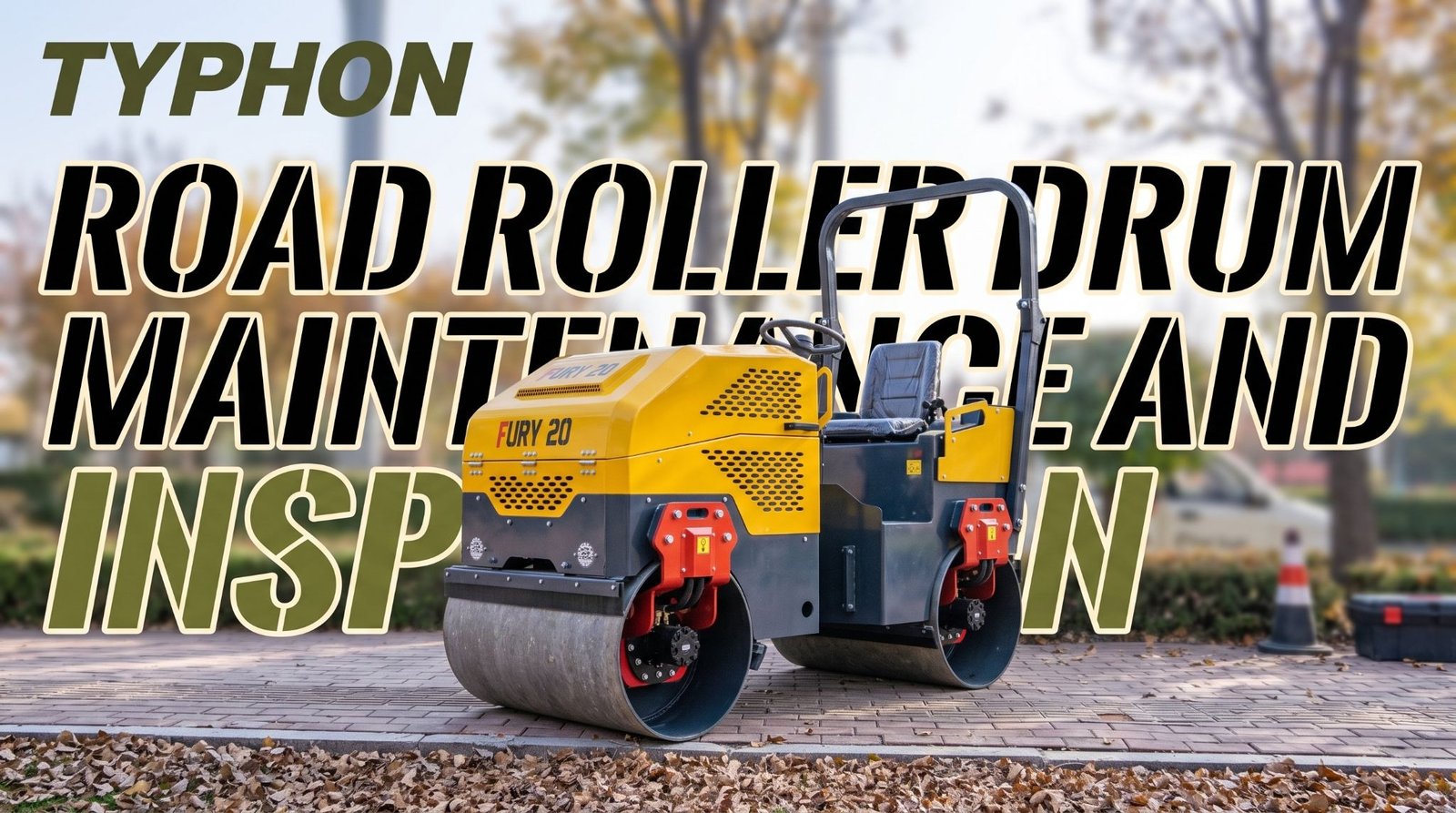
Road Roller Drum Maintenance and Inspection
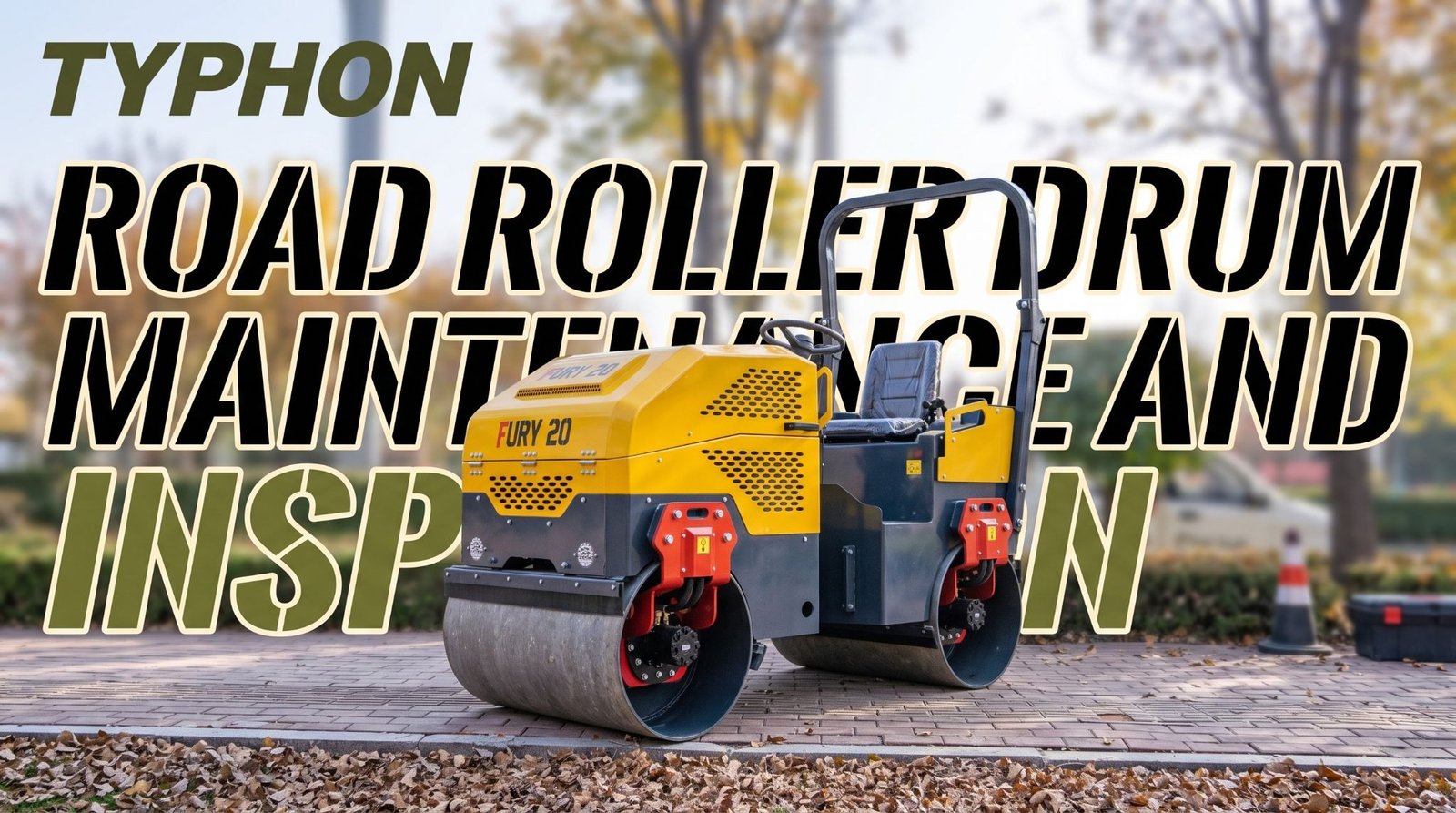
The drum is the working heart of a road roller. It carries the machine’s weight into the mat, delivers the dynamic force that densifies asphalt and soil, and takes the full punishment of the job site every single hour. Yet operators often treat it as a solid, maintenance-free component that simply rolls. That assumption quietly costs money. A neglected drum produces uneven density, marks the mat, wastes fuel, and eventually fails in ways that pull the machine off the job at the worst possible time.
Good drum maintenance protects two things you can’t afford to lose: compaction quality and machine longevity. A drum in sound condition compacts evenly, sheds material cleanly, and transfers vibration efficiently into the surface. A drum with dents, corrosion, clogged sprinklers, or worn bearings does the opposite, and the damage rarely stays contained to one part. This guide walks you through why drum care matters, how to inspect before every shift, the common problems to watch for, how to maintain the vibratory and water systems, a practical maintenance schedule, and the warning signs that call for professional repair.
Why Drum Maintenance Is Critical
The drum does more than roll over the surface. It is the interface between the machine’s compaction energy and the material, so its condition directly shapes the finished result. A smooth, true drum leaves a clean, uniform mat. A dented or scored drum transfers those imperfections straight into the asphalt, leaving marks that fail inspection and demand rework.
Maintenance also protects the machine itself. The drum houses the eccentric weight assembly and its bearings, the components that generate vibration. When those parts run dry, worn, or misaligned, the damage spreads to the drive system, the hydraulics, and eventually the engine that powers it all. A small maintenance lapse inside the drum can escalate into a major repair bill.
Here’s the bottom line: every hour you invest in drum care pays back in consistent density, fewer reworks, lower fuel use, and a machine that stays productive far longer. Skipping that care doesn’t save time; it defers a larger cost to a worse moment.
Pre-Shift Inspection Checklist

A disciplined walk-around before each shift catches most drum problems while they’re still cheap to fix. It takes only a few minutes, and it’s the single most valuable habit an operator can build. Work through these points every time, before the machine hits the mat:
- Drum surface condition. Look over the full circumference for dents, gouges, cracks, flat spots, and built-up material. Any surface flaw can imprint the mat, so note it before it does damage. Wipe the drum down and check for asphalt buildup that scrapers may have missed.
- Scraper blades. Confirm the scrapers sit properly against the drum and aren’t worn, bent, or clogged. Effective scrapers keep the drum clean; failed ones let material accumulate and stick, which is where most mat marking begins.
- Water sprinkler system. Check that the tank is full, the spray bars are clear, and every nozzle delivers an even spray across the drum width. Partial or patchy coverage lets asphalt grab the drum. Clean any blocked nozzles before you start.
- Edge cutters. Inspect edge-cutting attachments for wear, secure mounting, and correct alignment. Dull or loose cutters produce ragged joints and poor edge definition.
- General fasteners and leaks. Scan for loose bolts, hydraulic weeping, and any sign of oil escaping the drum housing, which can signal a bearing seal problem.
Key takeaway: the pre-shift check isn’t a formality. It’s your first and best line of defense against a bad mat and an unexpected breakdown.
Common Drum Problems to Watch For
Drums take a beating, and certain issues appear again and again. Knowing what they look like, and what causes them, helps you act before a minor flaw becomes a failure.
Dents and flat spots usually come from impacts with hard debris, curbs, or rock, or from parking a hot vibratory drum in one position and letting it deform. Both transfer directly into the mat surface and disrupt even contact.
Cracks are the most serious flaw a drum can develop. They often start small at welds or stress points and grow under the constant pounding of vibration. A cracked drum is a safety and structural concern, not a cosmetic one, and it demands prompt professional attention.
Corrosion builds when moisture, especially from the water system, sits against bare steel over time. Left unchecked, it pits the surface, weakens the shell, and roughens the finish the drum leaves behind. Regular cleaning and drying help hold it off.
Uneven wear shows up as one section of the drum wearing faster than the rest, often from misalignment, an unbalanced eccentric assembly, or habitual operation on the same line. It produces inconsistent compaction and signals a deeper mechanical issue worth chasing down.
Key takeaway: catch these early. A dent noted today is a cheap fix; a crack ignored for weeks can end a drum’s service life.
Vibratory System Maintenance
The vibratory system is what separates a roller from a heavy paperweight, and it lives inside the drum where you can’t see it work. That hidden location makes disciplined maintenance essential, because problems announce themselves late, often as noise or lost performance.
The eccentric bearings carry enormous, constantly reversing loads as the off-center weight spins at high speed. They depend entirely on clean lubrication in the correct quantity. Follow the manufacturer’s lubrication intervals precisely, use the specified grade of oil or grease, and never let the schedule slip. Under-lubricated eccentric bearings overheat, wear rapidly, and can seize, taking the vibratory system, and sometimes the drum, with them.
Watch and listen for the early symptoms of bearing trouble: unusual noise from the drum during vibration, excessive heat in the drum housing after operation, a change in vibration feel, or a drop in compaction performance. Any of these warrants a closer look before the next shift. Check oil levels in the eccentric housing on schedule, inspect for leaks around the seals, and confirm the vibration engages and disengages cleanly.
Key takeaway: the eccentric bearings are the most highly stressed parts in the machine. Lubricate them on time, every time, and respond fast to any change in sound or heat.
Keeping the Water System Clear
The water system exists for one reason: to keep asphalt from sticking to the drum. A film of water on the drum surface stops hot mix from grabbing the steel and tearing the mat. When that system clogs, the problem shows up immediately as asphalt pickup, drum marking, and a ruined surface.
Clogs come from a few predictable sources. Dirty water introduces sediment that settles in the tank and lines. Fine asphalt and dust work back into the nozzles. Mineral scale builds up over time in hard-water regions. The result is the same in every case: reduced or uneven spray, and a drum that starts collecting material where the water no longer reaches.
Address it methodically. Use clean water and keep the tank filler capped to keep debris out. Clean or replace the in-line filters on schedule, since they’re your first defense against sediment reaching the nozzles. Remove and clear individual nozzles that spray weakly, and flush the spray bars regularly. In freezing conditions, drain the system fully to prevent cracked lines. If you spot asphalt sticking mid-shift, stop and check the spray before it marks a long stretch of mat.
Key takeaway: a clear water system is the cheapest insurance against asphalt sticking. Treat nozzle and filter cleaning as routine, not as a reaction to a problem already on the mat.
Recommended Maintenance Schedule

Consistency is what makes drum maintenance work. A structured schedule turns scattered good intentions into reliable protection. Adjust these intervals to your manufacturer’s guidance and your operating conditions, but keep the rhythm.
Daily (each shift):
- Complete the full pre-shift walk-around inspection.
- Fill the water tank with clean water and confirm even nozzle spray.
- Clean the drum surface and check scraper contact.
- Check the eccentric housing oil level and scan for leaks.
- Listen and feel for abnormal vibration or heat after the first passes.
Weekly:
- Clean or replace water system filters and flush the spray bars.
- Inspect edge cutters and scraper blades for wear and alignment.
- Examine the drum surface closely for developing cracks, corrosion, and uneven wear.
- Check and tighten fasteners on the drum, scrapers, and housing.
Interval-based (per operating hours):
- Change eccentric bearing oil at the manufacturer’s specified hour interval.
- Lubricate all drum-related grease points on schedule.
- Inspect bearing condition and seals during scheduled service.
- Have the drum professionally assessed at major service intervals.
Key takeaway: the specific hours matter less than the discipline. A schedule you actually follow protects the drum far better than an ideal plan you ignore.
Warning Signs a Drum Needs Professional Repair
Much of drum care sits comfortably within an operator’s or fleet’s own capability. Some problems, though, are clear signals to stop and bring in a qualified technician. Ignoring them risks safety, the machine, and the work.
Call for professional repair when you see or feel any of the following: visible cracks anywhere on the drum shell or at welds; deep dents or gouges that mark the mat and can’t be dressed out; persistent asphalt sticking after the water system checks out clean; grinding, knocking, or roaring from the drum during vibration; excessive drum heat that doesn’t match the workload; oil leaking from the eccentric housing seals; or vibration that feels rough, weak, or inconsistent. A sudden drop in compaction quality with no obvious cause belongs on this list too.
Key takeaway: know the line between routine care and repair. When the drum’s structure, bearings, or vibration behave abnormally, a prompt professional assessment costs far less than the failure it prevents.
Conclusion
The drum earns its keep only when it’s kept in sound condition. A clean, true drum with healthy bearings and a clear water system delivers the even density, smooth finish, and dependable service life you’re paying for. A neglected one undermines every pass, marks the mat, burns extra fuel, and fails when you can least afford it.
Build the habits that protect it. Walk the pre-shift checklist every time, watch for dents, cracks, corrosion, and uneven wear, lubricate the eccentric bearings on schedule, keep the water system flowing clear, and follow a maintenance rhythm you’ll actually stick to. Above all, learn the warning signs that call for professional repair and act on them early. Care for the drum with discipline, and it will reward you with consistent compaction and a machine that stays on the job for years.
Frequently Asked Questions
How often should I inspect the road roller drum?
Perform a full visual and functional inspection before every shift, covering the drum surface, scraper blades, water sprinkler system, and edge cutters. Layer a more detailed weekly inspection on top of that to check for developing cracks, corrosion, and uneven wear, and to service the water filters. Then follow your manufacturer’s hour-based intervals for eccentric bearing service and lubrication. The daily check catches immediate problems, while the weekly and interval inspections catch the slow-developing issues before they become failures.
Why does asphalt keep sticking to my drum?
Asphalt sticking almost always points to a water system problem. The spray is meant to keep a film of water on the drum so hot mix can’t grab the steel, so when nozzles clog, filters foul, or the tank runs low, material starts to stick and mark the mat. Check that the tank is full of clean water, the filters are clear, and every nozzle sprays evenly across the drum width. If sticking continues after the water system checks out clean and the scrapers are working, have the drum inspected professionally.
What are the signs that my drum needs professional repair rather than routine maintenance?
Bring in a qualified technician if you find visible cracks in the drum shell or welds, deep dents that mark the mat, or oil leaking from the eccentric housing seals. Abnormal sounds during vibration such as grinding or knocking, excessive drum heat, and rough, weak, or inconsistent vibration all point to eccentric bearing or structural problems that need expert attention. An unexplained drop in compaction quality is another strong signal. These issues affect the drum’s structure and vibratory system, and prompt professional repair prevents a far costlier failure down the line.