Steel Tracks vs Rubber Tracks on Mini Excavators: Which Is Right for Your Job?
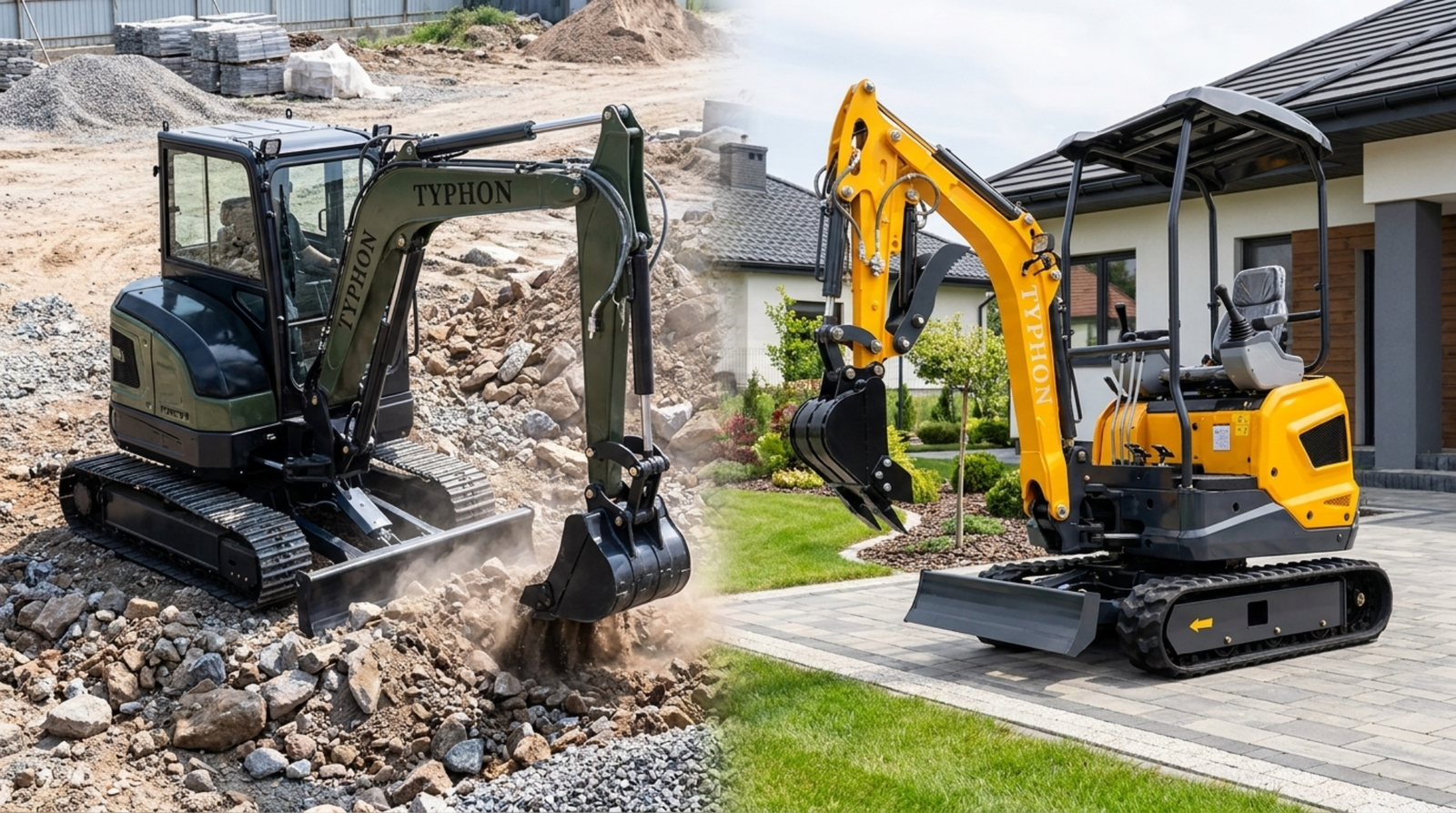
The tracks under your mini excavator do more than move the machine. They determine where you can work, how well you protect finished surfaces, how much traction you get in rough conditions, and how much you spend to keep the machine running. Choose the wrong track type, and you either tear up ground you were paid to protect or lose grip on terrain that demands it.
Steel tracks and rubber tracks each solve a different set of problems. One prioritizes durability and grip on brutal ground, while the other protects surfaces and rides smoother in mixed work. Neither is universally “better.” The right choice comes down to your terrain, your jobs, and your budget.
This guide gives contractors, landscapers, and equipment buyers a clear, practical breakdown. You’ll learn how each track type works, their honest strengths and limits, where each performs best, and a simple framework for picking the right one. We’ll also cover maintenance tips that stretch the life of either choice. By the end, you’ll know exactly which track belongs under your machine.
What Are Steel Tracks and How Do They Work?
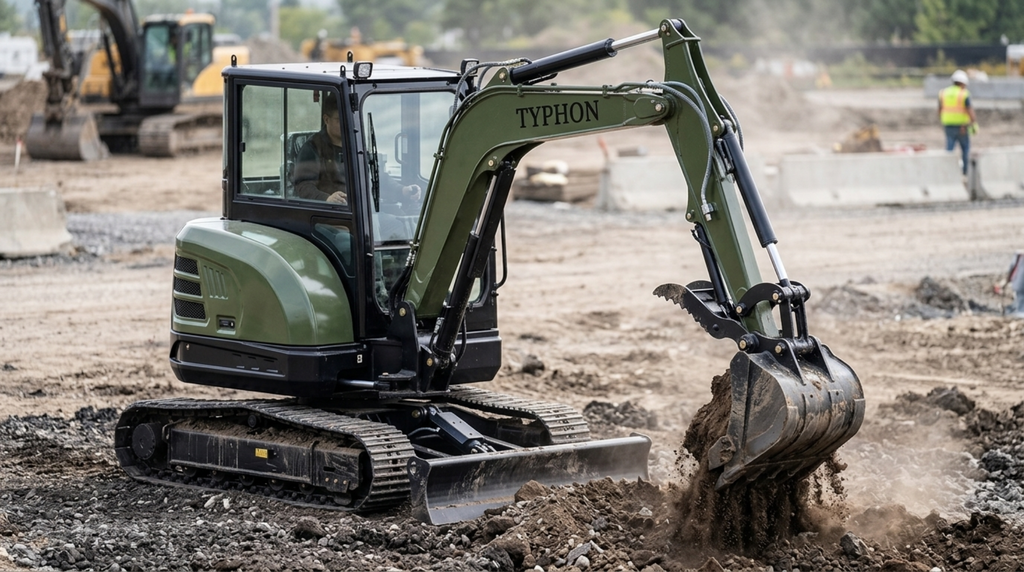
Steel tracks are heavy-duty undercarriage systems built from linked metal track shoes, or pads, connected by pins and bushings that run around the drive sprocket, idlers, and rollers. Each shoe often carries a raised metal ridge, called a grouser, that bites into the ground for grip.
The design borrows directly from larger excavators and dozers built for the harshest work. As the drive sprocket turns, it pulls the chain of steel shoes around the undercarriage, laying down a continuous metal footprint that grips and pulls the machine forward.
That metal construction is the whole point. Steel tracks are made to dig into hard, abrasive, and uneven ground without wearing out fast. The grousers penetrate soil, rock, and mud to deliver traction that rubber simply can’t match on the toughest terrain.
The trade-off is aggression. Those same grousers that grip so well also chew up any finished surface they roll across, which shapes exactly where steel tracks make sense.
What Are Rubber Tracks and How Do They Work?
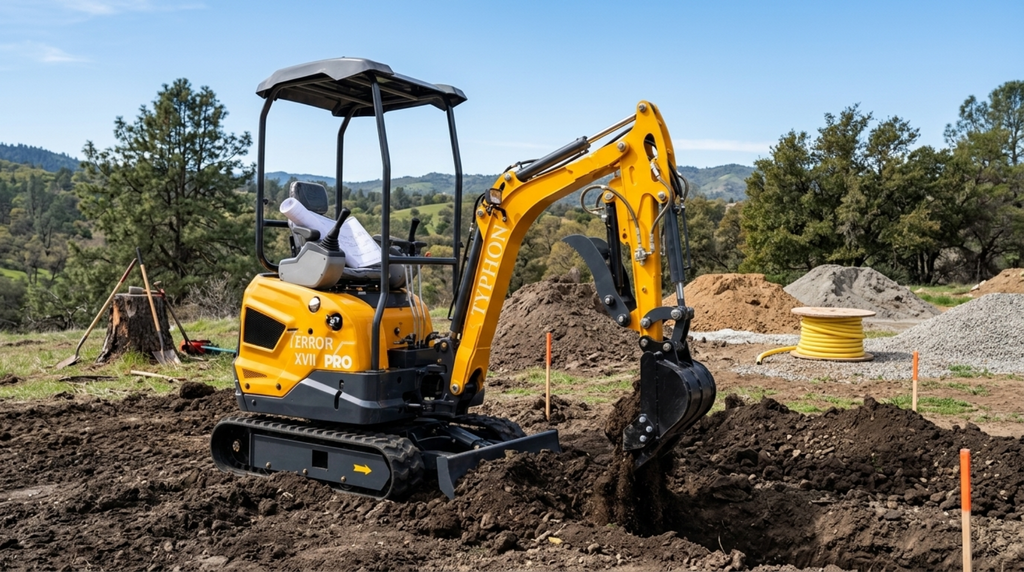
Rubber tracks are continuous, molded bands of reinforced rubber that wrap around the undercarriage in place of a metal chain. Inside the rubber, embedded steel cords and metal cores provide strength and let the drive sprocket engage the track without slipping.
The outer surface features a molded tread pattern rather than sharp metal grousers. As the sprocket drives the track, that tread grips the ground while spreading the machine’s weight across a broad, relatively gentle footprint.
This construction delivers a very different work profile. Rubber tracks run smoother, quieter, and with far less vibration than steel. Just as important, they protect the surfaces they travel over, making them the default choice for work on lawns, pavement, and finished sites.
Most mini excavators ship from the factory with rubber tracks for exactly this reason. They handle the mixed-terrain, surface-sensitive jobs that make up the bulk of compact machine work.
Key Differences at a Glance
The two track types diverge in nearly every practical way. The table below lays out the contrast so you can weigh them side by side.
| Factor | Steel Tracks | Rubber Tracks |
|---|---|---|
| Traction | Superior on rock, mud, and steep, abrasive ground | Strong on mixed terrain, weaker on loose rock |
| Surface protection | Poor, damages pavement and lawns | Excellent, gentle on finished surfaces |
| Durability | Very high, resists abrasion and cutting | Moderate, vulnerable to cuts and tears |
| Ride quality | Rough, high vibration | Smooth, quiet, low vibration |
| Weight | Heavier, adds machine stability | Lighter |
| Upfront cost | Generally higher | Generally lower |
| Repair | Replace individual components | Replace the whole track |
| Best terrain | Rocky, demanding, abrasive sites | Roads, lawns, concrete, mixed sites |
| Road travel | Not suited for pavement | Handles pavement well |
The pattern is clear. Steel wins on brutal, abrasive terrain and long-term durability, while rubber wins on surface protection, ride comfort, and versatility across mixed jobs.
Steel Tracks: Pros and Cons
Steel tracks are the right tool when the ground fights back. Understand both sides before you commit.
Advantages
- Exceptional durability: Metal construction resists the abrasion, cutting, and puncturing that destroy rubber on rocky ground.
- Superior traction: Grousers dig into rock, mud, and steep slopes for grip rubber can’t equal in extreme conditions.
- Longer service life on tough sites: On abrasive, demanding terrain, steel outlasts rubber by a wide margin.
- Repairable design: You can replace individual shoes, pins, and bushings rather than scrapping the entire track.
- Added stability: The extra weight lowers the machine’s center of gravity and steadies it under load.
Limitations
- Damages finished surfaces: Grousers tear up asphalt, concrete, and turf, ruling steel out for surface-sensitive work.
- Rough, noisy ride: Higher vibration wears on the operator and the machine over a long shift.
- No road travel: You can’t drive steel tracks across pavement without damaging both the surface and the tracks.
- Higher upfront cost: The initial investment usually runs more than a rubber set.
- Slower on many surfaces: Steel doesn’t move as smoothly across mixed ground.
If your work lives on rock, mud, and demanding terrain day after day, steel tracks earn their keep through sheer durability and grip.
Rubber Tracks: Pros and Cons
Rubber tracks excel at versatility and surface protection, but they aren’t built for the harshest abrasive work. Weigh these points against your typical jobs.
Advantages
- Surface protection: Gentle footprint won’t damage lawns, pavement, or finished concrete.
- Smooth, quiet operation: Low vibration keeps operators comfortable and reduces wear on the machine.
- Versatile across terrain: Handles the mixed conditions that make up most compact machine work.
- Road-friendly: Travels across pavement without tearing it up.
- Lower upfront cost: Typically less expensive to buy than a comparable steel set.
- Better speed and maneuverability: Moves efficiently on hard and mixed surfaces.
Limitations
- Vulnerable to damage: Sharp rock, rebar, and debris can cut, tear, or puncture the rubber.
- Shorter life on abrasive ground: Rocky, aggressive terrain wears rubber down far faster than steel.
- Whole-track replacement: A serious tear usually means replacing the entire track, not a single part.
- Less extreme traction: Grip falls short of steel on loose rock and steep, slick slopes.
- Heat and wear risk: Prolonged high-speed travel and hard turning accelerate wear.
For the vast majority of landscaping, residential, and mixed-site work, rubber tracks deliver the balance of protection and versatility the job demands.
Common Applications for Steel Tracks
Steel tracks belong on jobs where the ground is punishing and surface protection is not a concern. Matching them to the right work is where their value shows.
Demolition and Heavy Construction
On demolition sites, steel tracks roll over broken concrete, rebar, and jagged debris that would shred rubber. Their durability and grip keep the machine working through conditions that destroy softer undercarriages.
Rocky and Abrasive Terrain
Quarry work, rock excavation, and rocky site prep all favor steel. The grousers bite into hard, uneven ground, and the metal construction shrugs off the abrasion that grinds rubber away.
Steep Slopes and Mining Work
On steep, slick, or unstable slopes, the aggressive grip of steel grousers delivers the traction operators need to work safely. Mining and aggregate operations lean on that grip in the most demanding conditions.
Wet, Muddy Sites
In deep mud and sticky clay, steel grousers cut through to find purchase where rubber tread would spin. That traction keeps the machine productive on ground that stops other setups.
Common Applications for Rubber Tracks
Rubber tracks fit the broad middle of compact excavator work, especially anywhere finished surfaces are in play.
Landscaping and Lawn Care
Landscapers rely on rubber tracks to work across lawns, gardens, and finished grounds without leaving damage behind. The gentle footprint lets a crew grade, trench, and dig on turf they’re paid to protect.
Residential Construction
On residential lots, rubber tracks move across driveways, sidewalks, and interior slabs without tearing them up. That surface protection is essential when the jobsite is someone’s home.
Urban and Roadwork
For utility work and projects that require crossing pavement, rubber tracks travel roads and hard surfaces cleanly. Crews can move the machine between work areas without damaging the streets.
Indoor and Sensitive Sites
Interior demolition, warehouse work, and projects on finished floors call for the clean, low-impact operation rubber provides. Lower noise and vibration also make it the better fit for occupied or noise-sensitive areas.
How to Choose the Right Track Type
Work through a few honest questions, and the right track type usually becomes clear.
1. What Surfaces Will You Work On Most?
Start with the ground itself. If your jobs cross lawns, pavement, concrete, or finished surfaces, rubber tracks protect that work and are almost always the right call. If you operate on rock, demolition debris, and abrasive terrain where surface damage doesn’t matter, steel tracks earn their place.
2. How Abrasive and Demanding Is Your Terrain?
Match the track to the punishment. Consistently rocky, sharp, or abrasive ground destroys rubber quickly, making steel the more economical choice over time. Mixed and moderate terrain plays to rubber’s strengths.
3. Do You Need to Travel Across Roads?
If moving the machine involves crossing pavement or driving between work areas on hard surfaces, rubber tracks handle it without damage. Steel tracks can’t travel roads without tearing up both the surface and themselves.
4. What Is Your Budget Over the Long Haul?
Weigh upfront cost against service life for your specific terrain. Rubber usually costs less to buy and suits most work, while steel costs more initially but outlasts rubber dramatically on abrasive sites. The cheapest option depends entirely on where you work.
A quick reality check: many operators keep both. They run rubber tracks for the bulk of surface-sensitive jobs and switch to steel tracks, or fit steel-track conversion pads, when a rocky or demolition job demands it. If your work spans both worlds, owning both sets can be the smartest long-term move.
Maintenance Tips for Both Track Types
Whatever you run, consistent care protects your investment and prevents costly downtime. A few habits go a long way.
Caring for Steel Tracks
- Check track tension: Keep tension within spec, since tracks that are too tight strain components and too loose can slip.
- Inspect pins and bushings: Watch for wear at the connection points, which take the most stress.
- Clear debris daily: Remove packed mud and rock from the undercarriage to prevent grinding wear.
- Watch the grousers: Inspect for excessive wear or damage that reduces traction.
- Replace worn components early: Swap individual shoes, pins, or bushings before they fail under load.
Caring for Rubber Tracks
- Maintain proper tension: Follow the manufacturer’s spec, as improper tension causes premature wear and can throw a track.
- Inspect for cuts and cracks: Check regularly for tears, embedded debris, and cracking in the rubber.
- Avoid sharp hazards: Steer clear of rebar, sharp rock, and debris that can puncture the track.
- Limit hard turning and high speed: Reduce sharp counter-rotation and prolonged high-speed travel that build heat and wear.
- Clean after each shift: Clear mud and debris, especially in cold conditions where buildup can freeze and crack the rubber.
Habits That Protect Both
- Clean the undercarriage regularly, since packed material accelerates wear on any track type.
- Inspect before each shift so small issues get caught before they become failures.
- Keep sprockets, rollers, and idlers in good shape, because worn undercarriage components damage tracks fast.
- Follow the operator’s manual for the exact tension, inspection, and service intervals your model requires.
Consistent maintenance is the cheapest insurance you can buy. A few minutes of inspection and cleaning protects a significant investment and keeps the machine earning.
Conclusion
The choice between steel tracks and rubber tracks on a mini excavator isn’t about which is better overall. It’s about which fits the work in front of you. Steel tracks deliver unmatched durability and traction on rocky, abrasive, and demanding terrain, but they tear up finished surfaces and ride rough. Rubber tracks protect lawns, pavement, and concrete, run smooth and quiet, and handle the mixed conditions that make up most compact machine work, though they wear faster on aggressive ground. Every difference flows from that core split in purpose.
Your next step is straightforward. Identify the surfaces you work on most, gauge how abrasive your terrain really is, confirm whether you need to travel roads, and weigh upfront cost against service life for your conditions. For many operators, the smartest answer is keeping both on hand and matching the track to the job. With those facts in view, you can equip your machine with confidence and protect both your work and your bottom line.
Ready to get the right tracks under your mini excavator? Explore our selection of steel and rubber track options, compare fit and specifications for your exact model, and talk with our team about the best choice for your terrain and workload. Reach out today for expert guidance and a quote you can count on.