Wheeled vs Tracked Skid Steers: Which One Belongs on Your Jobsite?
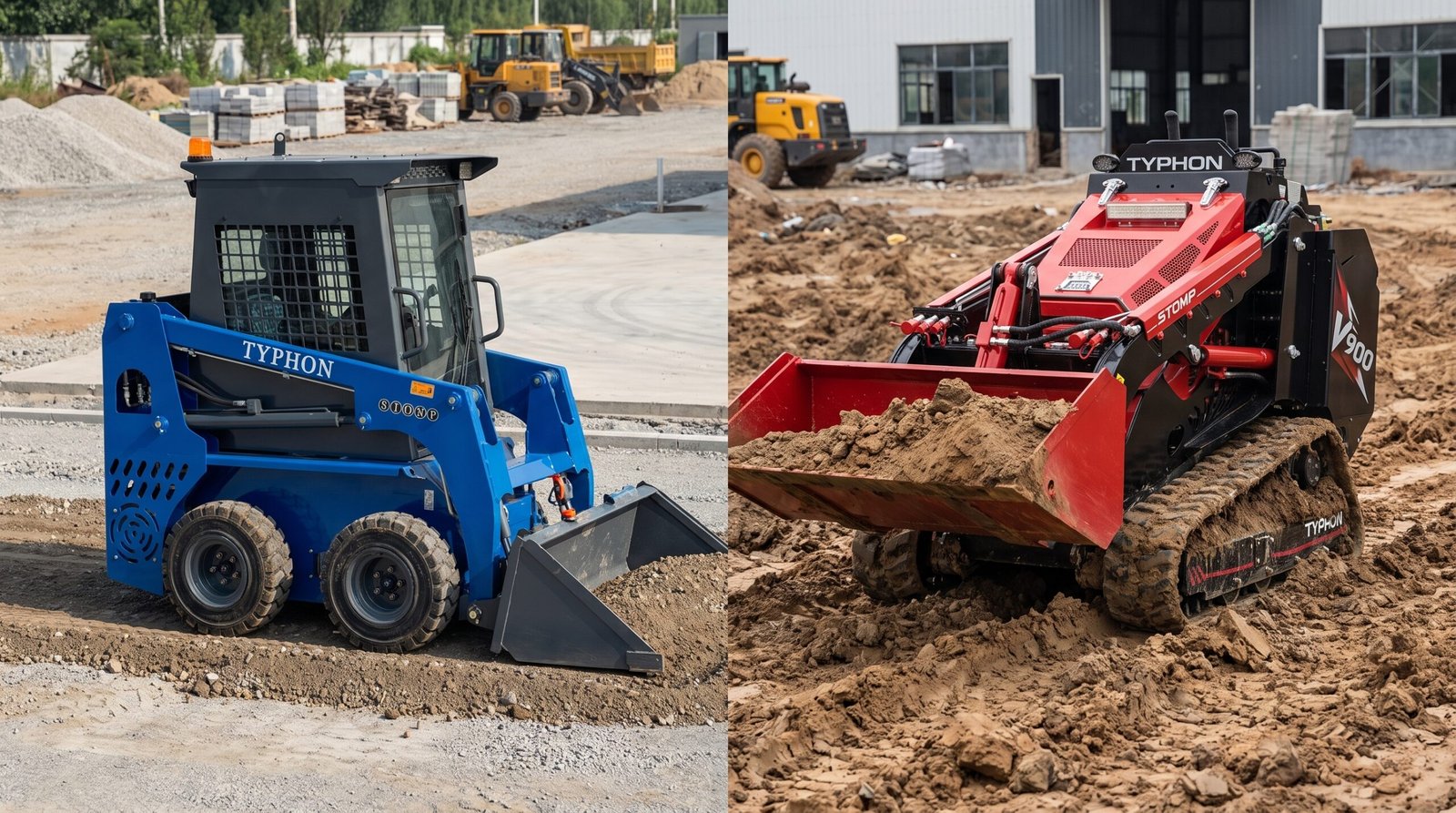
The choice between a wheeled skid steer and a tracked one shapes almost everything about how the machine performs. It affects where you can work, how fast you move, how much you spend to run and repair the machine, and how well you protect the surfaces you drive across. Pick the wrong setup, and you either tear up ground you were paid to protect or lose traction on terrain that demands it.
Both machines share the same basic layout and use many of the same attachments. But underneath, they solve different problems. One prioritizes speed, low cost, and hard-surface work. The other prioritizes traction, stability, and performance on soft or rough ground. Neither is flat-out better. The right answer depends on your terrain, your typical jobs, and your budget.
This guide gives contractors, landscapers, farmers, and equipment buyers a clear, practical breakdown. You’ll learn how each type works, their honest strengths and limits, where each performs best, and a simple framework for choosing. We’ll also cover maintenance tips that stretch the life of either machine. By the end, you’ll know exactly which one fits your operation.
What Is a Wheeled Skid Steer?
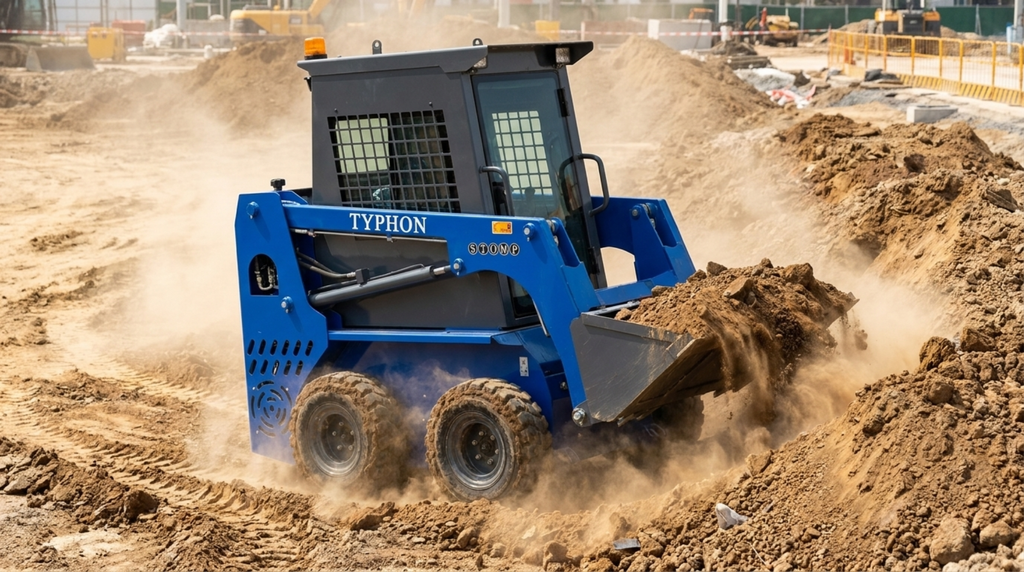
A wheeled skid steer is a compact, four-wheeled loader that steers by controlling the speed and direction of the wheels on each side independently. The name comes from how it turns. Instead of a steering axle, the machine “skids” its wheels to pivot, letting it rotate almost in place.
Each side runs on a pair of solid or pneumatic tires driven by the machine’s hydraulic system. When you want to turn, the wheels on one side slow down or reverse while the other side keeps driving. That difference in speed spins the machine around a tight center point, which is why skid steers maneuver so well in cramped spaces.
The wheeled version has been the traditional workhorse for decades. It’s fast, relatively affordable, and simple to maintain. Its tires roll smoothly across pavement, gravel, and firm ground, making it a strong choice for hard-surface work where speed and cost matter more than off-road traction.
What Is a Tracked Skid Steer?
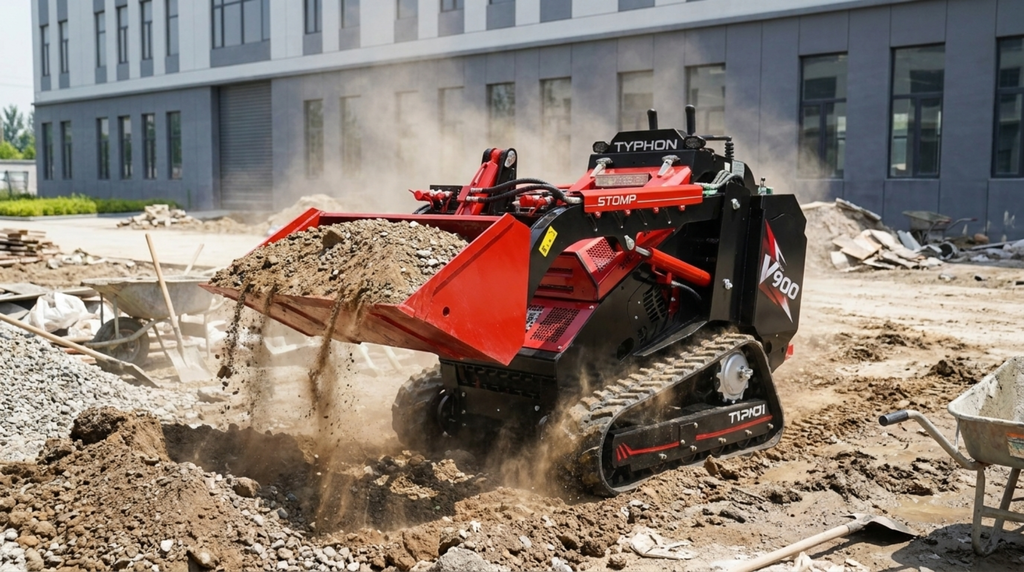
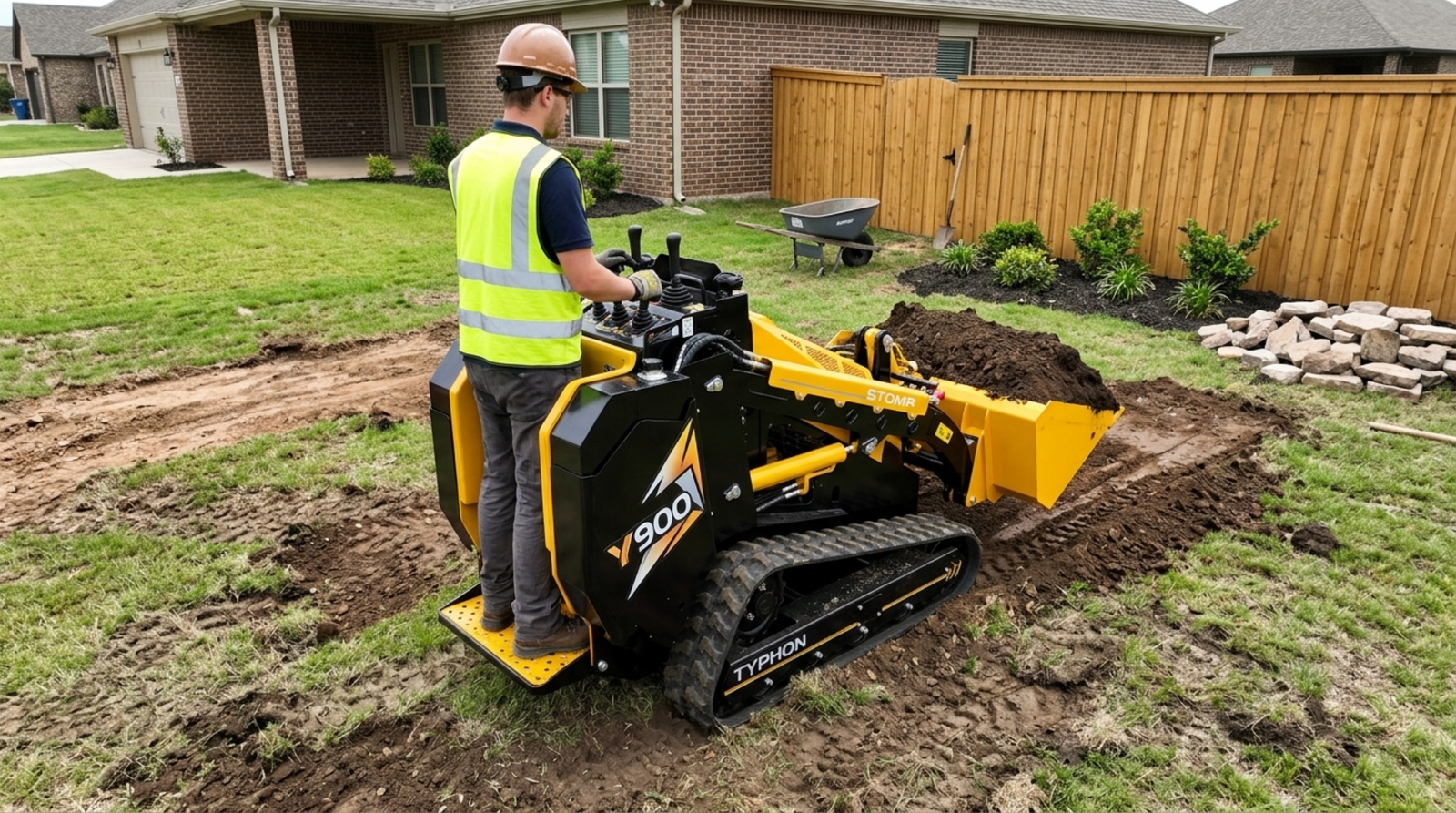
A tracked skid steer, often called a compact track loader, replaces the four tires with two continuous rubber tracks that wrap around an undercarriage of rollers, idlers, and drive sprockets. It steers the same way a wheeled machine does, by driving the tracks on each side at different speeds, but the way it meets the ground is completely different.
Instead of concentrating the machine’s weight on four contact patches, tracks spread that weight across a long, wide footprint. This lowers ground pressure dramatically and gives the machine far more surface area gripping the dirt. As the drive sprocket turns, it pulls the rubber track around the undercarriage, laying down a continuous band of traction.
That design changes what the machine can do. A tracked skid steer floats over soft, muddy, and sandy ground where a wheeled machine would sink and spin. It climbs slopes with confidence and pushes harder without losing grip. The trade-off is a higher price, a more complex undercarriage, and slower travel on hard surfaces. But when the ground gets tough, tracks earn every dollar.
Key Differences at a Glance
The two machines diverge in nearly every practical way. The table below lays out the contrast so you can weigh them side by side.
| Factor | Wheeled Skid Steer | Tracked Skid Steer |
|---|---|---|
| Traction | Good on hard, firm ground | Excellent on soft, muddy, uneven terrain |
| Ground pressure | Higher, concentrated on tires | Low, spread across the tracks |
| Surface protection | Can scuff, but gentle on pavement | Gentle on soft ground, may mark pavement |
| Travel speed | Faster, especially on hard surfaces | Slower on hard surfaces |
| Upfront cost | Lower | Higher |
| Operating cost | Lower, cheaper tires | Higher, costlier undercarriage upkeep |
| Stability | Good | Superior, especially on slopes |
| Lift and push power | Strong | Stronger, thanks to more traction |
| Maintenance | Simpler, tire-based | More complex undercarriage |
| Best terrain | Pavement, gravel, firm sites | Mud, sand, turf, rough ground |
The pattern is clear. Wheels win on speed, cost, and hard-surface work. Tracks win on traction, stability, and performance across soft or demanding ground. Everything else flows from that split.
Wheeled Skid Steer: Pros and Cons
A wheeled machine is the right tool when your ground is firm and your budget is a priority. Understand both sides before you commit.
The Advantages
Wheeled skid steers cost less to buy, which matters a great deal when you’re building or expanding a fleet. That lower entry price often makes them the practical choice for smaller operations or occasional use.
They also cost less to run. Tires are far cheaper to replace than a full track undercarriage, and a set of tires typically lasts a long time on hard surfaces. When one wears out or takes damage, you swap a single tire rather than replacing an entire track.
Speed is another clear win. Wheeled machines move quickly across pavement, gravel, and firm ground, which speeds up jobs that involve a lot of travel or repositioning. On a large hard-surface site, that extra pace adds up across a shift.
Finally, they’re simpler to maintain. Fewer moving parts in the drivetrain and no complex undercarriage mean less to inspect, clean, and repair over the life of the machine.
The Limitations
The main weakness is traction on soft ground. Put a wheeled skid steer on mud, sand, or wet turf, and the tires can dig in, spin, and lose grip fast. High ground pressure means the machine sinks where a tracked unit would float.
Those same tires can also tear up soft surfaces. On finished lawns or saturated soil, spinning wheels leave ruts and damage that a gentler footprint would avoid.
Stability on slopes and uneven terrain falls short of a tracked machine too. With less contact area gripping the ground, a wheeled skid steer can feel less planted when the work gets rough or the grade gets steep.
If your work mostly lives on firm, hard surfaces, none of these limits will slow you down. The trouble starts when the ground turns soft.
Tracked Skid Steer: Pros and Cons
A tracked machine excels where the ground fights back, but it asks more of your budget. Weigh these points against your typical jobs.
The Advantages
Traction is the headline. Tracks grip soft, muddy, sandy, and uneven ground where wheels spin helplessly. That grip lets the machine keep working in conditions that would stop a wheeled unit cold, which means fewer weather delays and more productive days.
Low ground pressure is the reason. By spreading the machine’s weight across a broad footprint, tracks let it float over soft soil and finished turf without sinking or leaving deep ruts. For landscaping and work on sensitive ground, that gentle footprint protects the surfaces you’re paid to preserve.
Tracked machines also deliver superior stability and pushing power. The long, wide contact area keeps the machine planted on slopes and rough terrain, and that same traction lets it push, dig, and grade harder without losing grip. Operators often notice the difference the moment they load the bucket.
The Limitations
The biggest drawback is cost. Tracked skid steers cost more upfront, and the undercarriage is expensive to maintain and eventually replace. Tracks, rollers, idlers, and sprockets all wear over time, and a full track replacement is a significant expense.
They’re also slower on hard surfaces and can wear faster when run heavily on abrasive pavement. Concrete and asphalt grind rubber tracks down quicker than soft ground does, so constant hard-surface travel shortens track life.
Maintenance demands more attention too. The undercarriage needs regular cleaning and inspection, especially in muddy or abrasive conditions where packed debris accelerates wear.
For work on soft, rough, or sensitive ground, those trade-offs are usually worth it. The traction and flotation a tracked machine provides simply can’t be matched by wheels.
Common Applications for Wheeled Skid Steers
Wheeled machines belong on jobs with firm ground and plenty of travel. Matching them to the right work is where their value shows.
On paved and hard-surface sites, wheeled skid steers move fast and clean. Warehouse work, loading yards, and material handling on concrete all play to their strengths, where speed and low operating cost matter more than off-road traction.
Road and utility work often suits them well too. When the machine spends most of its time on gravel, pavement, or compacted ground, tires provide all the grip needed while keeping travel quick between tasks.
Agricultural operations with firm, dry lots and hard-packed yards frequently favor wheeled machines for their speed and affordability. Feeding, cleaning, and material moving on solid ground don’t demand the flotation a tracked unit provides.
Rental fleets and budget-conscious buyers also lean toward wheeled skid steers. The lower purchase price and cheaper upkeep make them a sensible choice when the work spans firm surfaces and the goal is maximum value per dollar.
Common Applications for Tracked Skid Steers
Tracked machines fit jobs where the ground is soft, rough, or easily damaged. Their traction and gentle footprint open up work that stops wheeled units.
Landscaping is a natural fit. Tracked skid steers grade, dig, and haul across lawns and finished sites without tearing up the turf, thanks to their low ground pressure. That surface protection is essential when the client’s yard is the workspace.
Site preparation and construction on raw, muddy, or uneven ground favor tracks heavily. Early in a project, before surfaces are firmed up, a tracked machine keeps working through mud and soft soil that would bog down a wheeled loader.
Excavation and grading on soft or sloped terrain also call for tracks. The extra stability and pushing power let operators work confidently on grades and dig harder without spinning out.
Agricultural work on soft fields, muddy lots, and uneven pasture suits tracked machines as well. Where the ground stays wet or loose, flotation keeps the machine productive when a wheeled unit would sink.
Snow and wet-weather work rounds out the list. When conditions turn slick and soft, the traction of a tracked skid steer keeps the job moving in weather that sidelines other equipment.
How to Choose the Right Skid Steer
Work through a few honest questions, and the right machine usually becomes clear. Match the tool to your real conditions, not to the machine that looks most impressive.
Start with Your Terrain
The ground you work on most should drive the decision. If your jobs live on pavement, gravel, and firm, dry surfaces, a wheeled skid steer gives you speed and value with all the traction you need. If you regularly face mud, sand, soft soil, or uneven ground, a tracked machine keeps you productive where wheels would spin and sink.
Be honest about how often the ground gets tough. An occasional muddy day may not justify the added cost of tracks, but consistent soft-ground work almost always does.
Consider Surface Sensitivity
Think about the surfaces you need to protect. If you work on finished lawns, soft turf, or ground where ruts and damage are a problem, the low ground pressure of a tracked machine protects that work. If your surfaces are hard and durable, a wheeled machine won’t cause the same concern and moves faster besides.
Weigh the Cost Over Time
Look past the sticker price to the full cost of ownership. Wheeled machines cost less to buy and less to run, with cheap tire replacement and simple upkeep. Tracked machines cost more upfront and carry higher undercarriage maintenance, but they earn that back in productivity on demanding ground.
Ask which setup keeps you working more days and completing jobs faster for your specific conditions. The cheapest machine to buy isn’t always the cheapest machine to own.
Match It to Your Jobsite Needs
Finally, think about how you actually use the machine. Do you cover long distances across firm ground, or push hard through soft, sloped terrain? Do you need maximum speed and repositioning, or maximum traction and stability? Your day-to-day workload points clearly toward one type or the other.
A quick reality check: many operations run both. They use wheeled machines for fast, hard-surface work and tracked machines for soft, sensitive, or rough ground. If your work spans both worlds, owning one of each can be the smartest long-term move. When you can only pick one, choose the machine that fits your toughest common conditions, not your easiest.
Maintenance Tips for Both Types
Whatever you run, consistent care protects your investment and prevents costly downtime. A few habits go a long way.
Caring for a Wheeled Skid Steer
Check tire pressure and condition regularly, since underinflated or worn tires hurt traction, stability, and fuel efficiency. Inspect for cuts, embedded debris, and uneven wear that signal a problem before it leaves you stranded.
Keep the drivetrain and hydraulic system in good shape by following the service schedule for fluids, filters, and lubrication points. Watch for leaks under the machine and address them early, before a small drip becomes a major repair.
Clean the machine after dirty work, especially around the wheels and axles, so packed debris doesn’t accelerate wear. A quick daily inspection catches small issues before they grow.
Caring for a Tracked Skid Steer
The undercarriage needs the most attention. Clean packed mud, rock, and debris from the tracks, rollers, and sprockets after each shift, since built-up material grinds away at components fast, especially in abrasive conditions.
Maintain proper track tension within the manufacturer’s spec. Tracks that run too tight strain the undercarriage, while tracks that run too loose can slip off or wear unevenly. Inspect the rubber regularly for cuts, cracks, and embedded debris, and avoid sharp hazards when you can.
Limit heavy travel and hard turning on abrasive pavement, which grinds rubber tracks down quickly. When possible, save hard-surface travel for necessary moves rather than constant work.
Habits That Protect Both
Whichever machine you run, inspect it before every shift so small problems get caught early. Follow the operator’s manual for exact service intervals, keep fluids and filters on schedule, and grease pivot points as recommended. Store the machine on level ground, lower the attachment, and shelter it from weather when you can.
Consistent maintenance is the cheapest insurance you can buy. A few minutes of inspection and cleaning protects a significant investment and keeps the machine earning shift after shift.
The Bottom Line
The choice between a wheeled and a tracked skid steer isn’t about which machine is better overall. It’s about which one fits the work in front of you. Wheeled skid steers deliver speed, lower cost, and simpler upkeep, making them the smart pick for firm, hard-surface work where budget and pace matter most. Tracked skid steers deliver superior traction, low ground pressure, and stability, earning their place on soft, muddy, sloped, or sensitive ground where wheels would spin and sink. Every difference flows from that core split in purpose.
Your next step is straightforward. Identify the ground you work on most, decide how much surface protection your jobs demand, weigh the full cost of ownership against your budget, and think honestly about your day-to-day workload. For many operators, the smartest answer is keeping both types on hand and matching the machine to the job. When you can only choose one, pick the machine built for your toughest common conditions.
Ready to put the right skid steer to work? Explore our selection of wheeled and tracked machines, compare specifications and attachment options for your operation, and talk with our team about the best fit for your terrain and workload. Reach out today for expert guidance and a quote you can count on.