Mini Skid Steer 1 Ton: The Complete Guide to the Compact Powerhouse
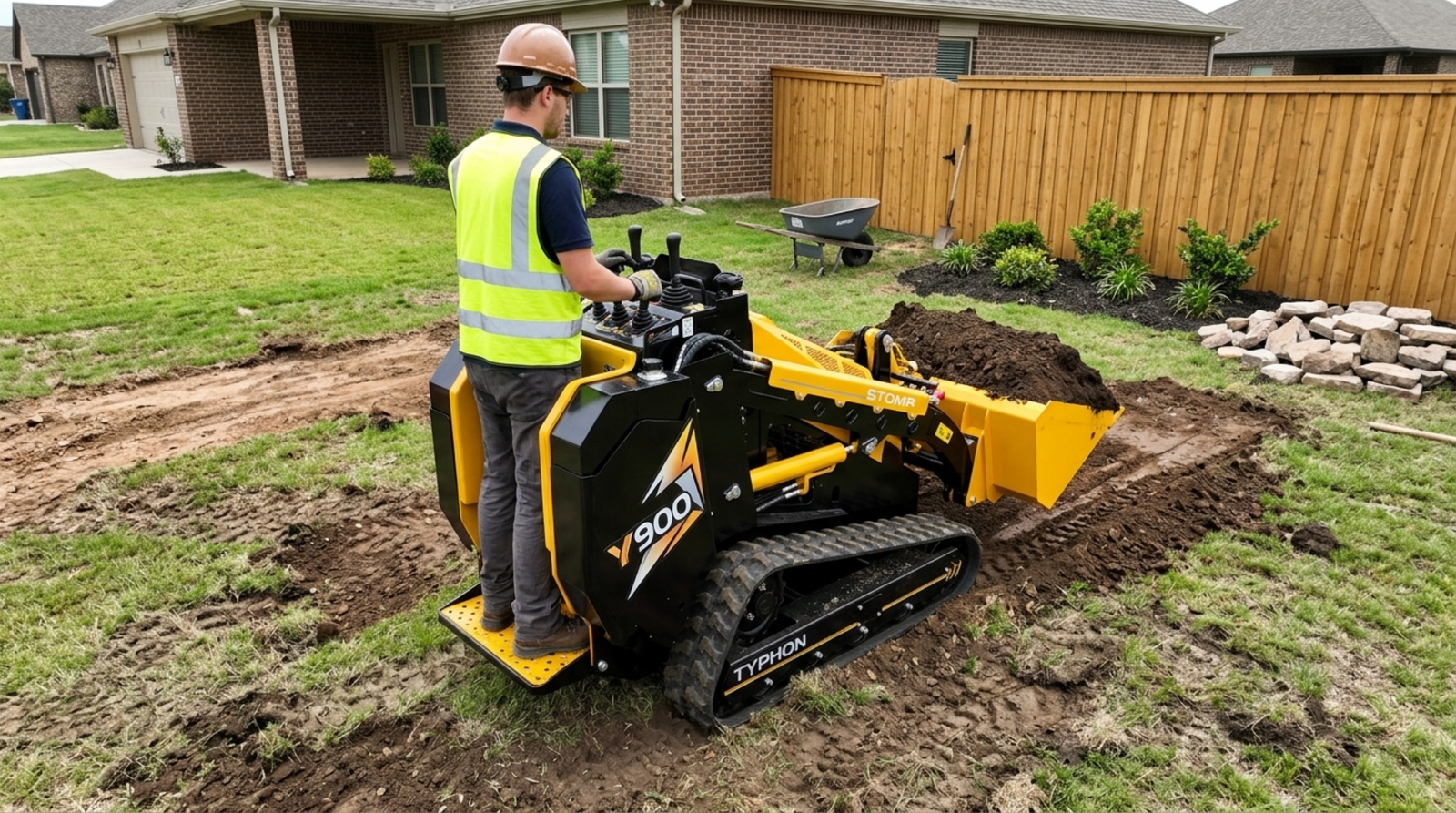
Some jobs demand more muscle than a wheelbarrow and a crew can deliver, but far less machine than a full-size loader. That gap is exactly where the 1-ton mini skid steer thrives. It fits through a standard gate, turns in its own footprint, and lifts, digs, grades, and hauls with a versatility that few machines its size can match. For contractors, landscapers, and equipment buyers, this compact class solves the tight-access problem without sacrificing real working power.
This complete guide covers everything that matters about the 1-ton mini skid steer. You’ll learn what defines the size class, the specs and features that drive performance, the benefits and applications that make it so valuable, and exactly what to weigh before you buy. We’ll also walk through attachment options and the maintenance habits that protect your investment.
Here’s what you’ll take away:
- What a 1-ton mini skid steer is and why the size class matters
- The key specs, benefits, and applications that define the machine
- A practical buyer’s guide, attachment breakdown, and maintenance tips you can use today
What Is a 1-Ton Mini Skid Steer?
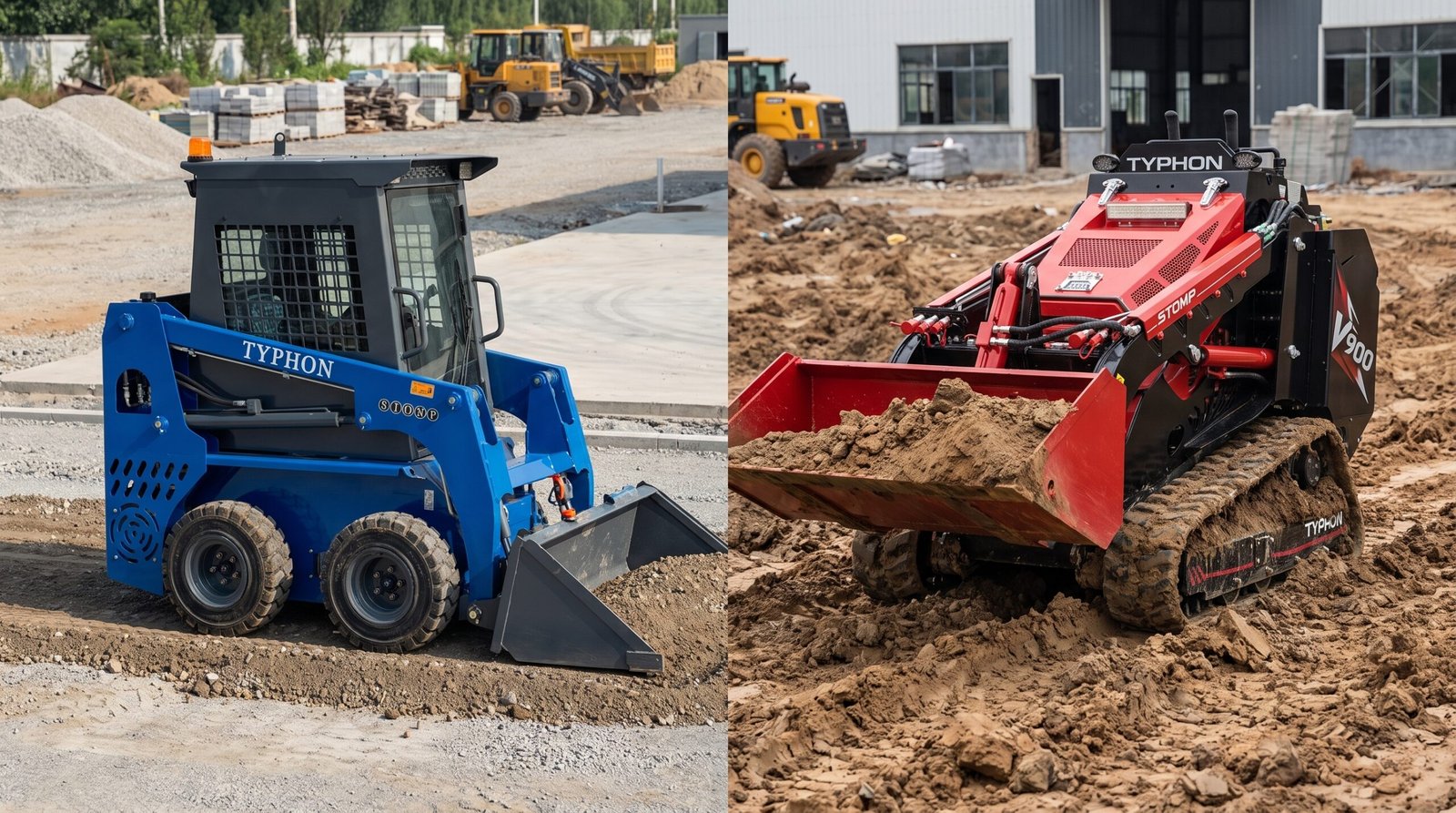
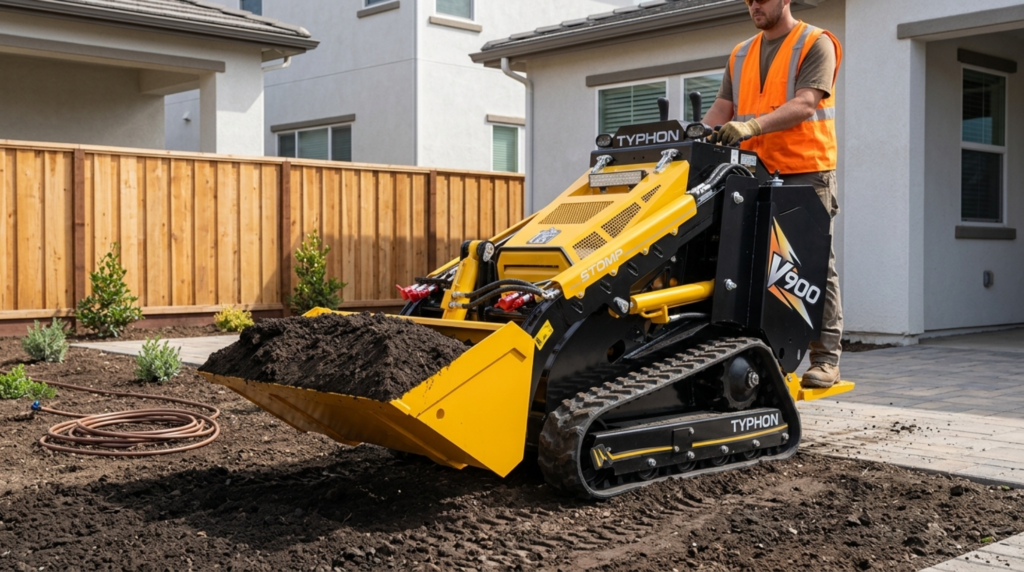
A 1-ton mini skid steer is a compact, walk-behind or ride-on loader with an operating weight around 1,000 to 1,200 kilograms, or roughly 2,000 to 2,600 pounds. Also called a compact utility loader or mini track loader, it packs the core functions of a full-size skid steer into a footprint small enough to work where larger machines can’t fit.
The machine centers on a loader arm and a universal attachment plate at the front. That plate is the key to its value: it accepts dozens of attachments, turning one compact base machine into a bucket loader, an auger, a trencher, a grapple, and much more. The operator typically stands on a rear platform or walks behind, steering with intuitive controls that keep the learning curve short.
Why the Size Class Matters
The 1-ton class hits a rare sweet spot. It’s small enough to pass through a standard 36-inch gate and maneuver in backyards, alleys, and interior spaces, yet powerful enough to move real material and run demanding hydraulic attachments.
That balance opens up work that would otherwise stall. A crew can move dirt, set pallets, drill post holes, and clear debris on tight residential lots without the ground damage, transport headaches, or cost of a larger loader. When access is the obstacle and the budget is real, this size class earns its place fast.
Key Features and Specifications
Matching the machine to your work starts with understanding the specs. Exact numbers vary by manufacturer and model, but the 1-ton class shares a consistent performance profile.
Operating Weight
At roughly 2,000 to 2,600 pounds, the machine stays light enough to tow behind a standard pickup yet heavy enough to lift and push with stability. That weight also keeps ground pressure low, which protects finished surfaces.
Engine Power
Most 1-ton mini skid steers run a diesel or gasoline engine in the 20 to 40 horsepower range. Diesel models deliver strong torque and fuel efficiency for steady, all-day work, while gasoline units lower the purchase price and suit lighter, intermittent use.
Lift Capacity
Rated operating capacity for this class typically falls between 600 and 1,000 pounds, depending on the model and whether it rides on tracks or wheels. That capacity handles loaded buckets, pallets of material, and heavy attachments with confidence.
Hydraulic Flow
Auxiliary hydraulic flow is what powers demanding attachments like augers, trenchers, and breakers. Standard-flow machines in this class usually deliver around 9 to 15 gallons per minute. Higher flow runs more aggressive tools faster, so confirm the rating matches the attachments you plan to run.
Dimensions
A key selling point is width. Many 1-ton models measure around 34 to 44 inches wide, with some narrow units slipping through 36-inch gates. Compact length and a tight turning radius let the machine work in spaces that stop larger equipment.
Here’s a quick reference for the typical 1-ton class:
| Specification | Typical Range |
|---|---|
| Operating weight | 2,000–2,600 lbs (1,000–1,200 kg) |
| Engine power | 20–40 hp |
| Fuel type | Diesel or gasoline |
| Rated lift capacity | 600–1,000 lbs |
| Auxiliary hydraulic flow | 9–15 gpm |
| Machine width | 34–44 in |
| Drive type | Tracks or wheels |
Always confirm exact figures against the specific model’s spec sheet before you commit.
Core Benefits of a 1-Ton Mini Skid Steer
The specs tell you what the machine is. The benefits explain why it belongs in your fleet. Here’s where the 1-ton class truly delivers.
Compact Access
The machine’s small footprint is its defining strength. It fits through gates, works between buildings, and operates in backyards, courtyards, and interior spaces that larger loaders can’t reach. When access is the obstacle, a 1-ton mini skid steer turns an impossible job into a routine one.
Versatility
With a universal attachment plate, one base machine handles loading, digging, grading, drilling, trenching, and material handling. That flexibility keeps your fleet lean and covers a wide range of tasks without renting or buying separate equipment for each job.
Ease of Transport
A 1-ton machine loads onto a modest trailer and tows behind a standard pickup, no commercial hauling required. One person can move it between jobsites in minutes, which cuts logistics cost and keeps the crew productive.
Labor Savings
What a crew might move by hand over a long, exhausting day, this machine handles in a fraction of the time. That efficiency translates directly into lower labor costs, faster timelines, and far less physical strain on your team.
Low Ground Pressure
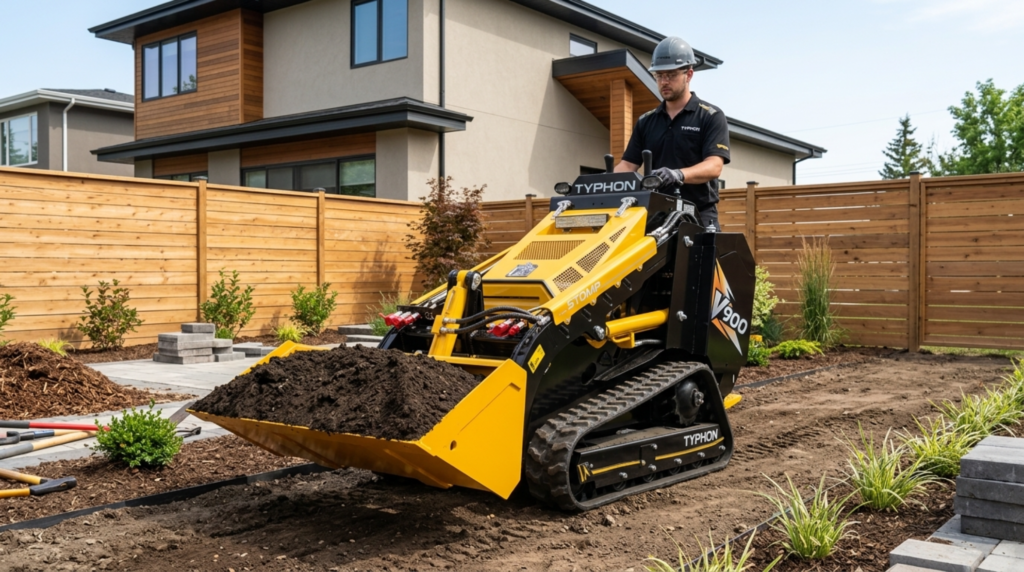
Track models spread the machine’s weight across a wide footprint, delivering low ground pressure that protects lawns, driveways, and finished surfaces. On surface-sensitive jobs, that gentle footprint alone can justify the choice.
Common Applications
The 1-ton mini skid steer fits a wide range of industries and job types. Its blend of access, lift power, and attachment flexibility makes it a practical choice wherever space is tight and hand labor isn’t worth the time.
Landscaping
Landscapers rely on the machine to move soil and mulch, grade small areas, dig planting beds, drill holes, and haul material across finished properties. Its compact size and low ground pressure protect lawns and hardscapes while still doing the heavy lifting, making it a workhorse for detailed landscape projects.
Residential Construction
On residential sites, the mini skid steer handles site prep, material transport, backfilling, and grading where larger machines can’t maneuver. It works efficiently on tight lots and close to existing structures without tearing up the ground or the driveway.
Agriculture
On farms and ranches, the machine moves feed, handles bales with the right attachment, digs post holes, cleans stalls, and transports material across the property. Its compact build lets one operator work in barns, pens, and outbuildings that full-size equipment can’t enter.
Utility Work
For utility crews, the mini skid steer trenches for water, electrical, and drainage lines, sets material, and clears debris in confined corridors. Its precise controls help operators work safely around existing lines and structures while keeping the job on schedule.
Indoor and Confined Spaces
Interior demolition prep, warehouse material handling, and work inside existing structures all suit the machine’s narrow width and low profile. Electric and low-emission models extend that usefulness to enclosed or occupied spaces where air quality and noise matter.
Attachment Options and Versatility
The universal attachment plate is what transforms a 1-ton mini skid steer from a loader into a true multi-tool platform. Because the machine runs auxiliary hydraulics, it powers a wide range of tools that expand what a single unit can do.
- Buckets: Swap between standard, low-profile, and heavy-duty buckets for moving dirt, gravel, mulch, and debris, or a grading bucket for finishing work.
- Augers: Drill clean, consistent holes for posts, footings, and planting with a hydraulic auger and interchangeable bits.
- Grapples: Grip and haul logs, rock, brush, and debris that a bucket can only push, making cleanup and land clearing far faster.
- Pallet forks: Lift and place pallets of sod, block, brick, and bagged material, turning the machine into a compact material handler.
- Trenchers: Cut clean, consistent trenches for irrigation, drainage, and utility lines without hand digging.
- Snow blowers and blades: Clear snow from walkways, driveways, and tight lots for year-round winter maintenance work.
Before buying any attachment, confirm it’s rated for the 1-ton class and that your machine’s hydraulic flow can run it properly. A tool matched to the machine delivers the versatility that makes this size class so valuable.
How to Choose the Right 1-Ton Mini Skid Steer
The right machine depends on your work, your budget, and your transport setup. Weigh these factors carefully before you buy.
Diesel vs Gas
Choose diesel for steady, heavy, all-day use and better fuel efficiency over the long haul. Gasoline models cost less upfront and suit lighter, occasional work. Match the engine to how hard and how often you’ll run the machine.
Track vs Wheeled
This decision comes down to terrain and surface. Track models deliver superior traction, low ground pressure, and better performance on soft, muddy, or uneven ground, and they protect finished surfaces well. Wheeled models cost less, move faster on hard surfaces, and suit firm, level ground where traction isn’t a concern. For most landscaping and mixed-site work, tracks are the more versatile choice.
Auxiliary Hydraulics
If you plan to run augers, trenchers, breakers, or other powered tools, confirm the machine has adequate auxiliary hydraulic flow. Standard flow handles most attachments, but aggressive tools benefit from higher flow. This spec is easy to overlook and essential for attachment performance.
New vs Used
New machines offer warranty coverage, current technology, and predictable reliability. Used machines lower the entry cost but demand careful inspection of engine hours, undercarriage or tire wear, and hydraulic condition. If you buy used, insist on a thorough check before you commit.
Transport and Access
Measure the tightest spaces you regularly work in and confirm the machine’s width fits, especially if you need to clear a standard gate. Also verify your trailer and tow vehicle can handle the machine’s weight safely.
Support and Parts
Choose a supplier with reliable parts availability and responsive service. Downtime is expensive, and a dealer who stands behind the machine keeps you working and protects your investment over the long term.
A common mistake to avoid: buying on price alone without confirming the specs match your typical jobs. A machine that can’t lift what you need or run your key attachments costs more in workarounds than it saves at purchase. Match the machine to your work, and you’ll invest with confidence.
Maintenance Tips
A 1-ton mini skid steer is built tough, but consistent care is what keeps it reliable and protects its resale value. A simple routine prevents small issues from becoming costly repairs.
- Check fluids daily: Inspect engine oil, hydraulic fluid, and coolant before each shift, and top off as needed.
- Inspect for leaks: Scan under the machine and check hoses, fittings, and cylinders for drips or wear.
- Grease pivot points: Lubricate pins, bushings, and the loader arm on schedule to prevent wear and keep movement smooth.
- Clean the undercarriage: Clear packed mud and debris after each shift, especially around tracks, rollers, or wheels.
- Maintain track tension or tire pressure: Keep tracks within the manufacturer’s spec or tires properly inflated, since both affect wear and performance.
- Service the air and fuel filters: Replace them at the recommended intervals to protect the engine.
- Inspect the attachment plate: Check that the quick-attach system, pins, and hydraulic couplers stay clean, tight, and fully engaged.
- Change oil and filters on schedule: Follow the operator’s manual for the exact service intervals your model requires.
A few minutes of inspection before each use catches problems early and keeps the machine earning shift after shift. Keep a maintenance log tied to these intervals, and you’ll stay ahead of every service.
Put a 1-Ton Mini Skid Steer to Work
The 1-ton mini skid steer brings together compact access, genuine working power, remarkable versatility, and easy transport in one practical package. For contractors, landscapers, and equipment buyers who need to lift, dig, grade, and haul where larger machines can’t go, it delivers real capability without the ground damage, logistics, or cost of heavy equipment. From landscaping and residential construction to agriculture and utility work, this size class handles a striking range of jobs from a single base machine.
Your next step is straightforward. Confirm the lift capacity and hydraulic flow match your typical work, choose diesel or gas based on how hard you’ll run it, decide between tracks and wheels for your terrain, and verify the machine fits the tightest spaces you work in. Then commit to a simple maintenance routine, and the machine will reward you with dependable performance for years.
Ready to add serious versatility to your fleet? Explore our selection of 1-ton mini skid steers, compare specifications and attachment options for your work, and talk with our team about the right fit for your operation. Reach out today for expert guidance and a quote you can count on.